Stratcom Summit 2026: Disruption in the International System: Crises, Narratives and Search for Order, 27-28 March 2026
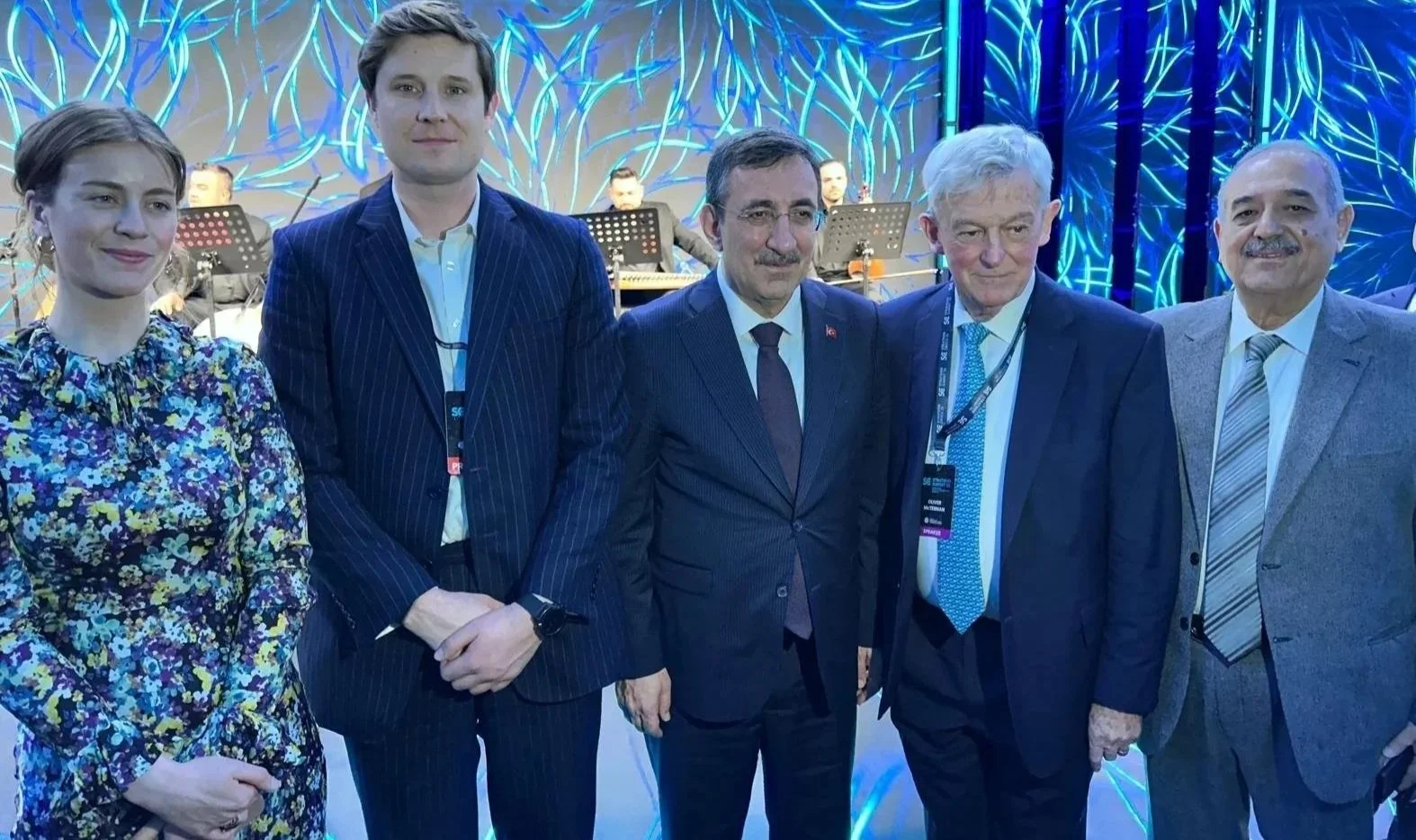
The Forward Thinking team with Cevdet Yılmaz, Vice-President of Türkiye. From left to right: Cecily Bayliss, WSF Programme Manager; Jordan Morgan, Director of Programmes; Oliver McTernan, Director; Dr Zein El-Sadat, Secretary General and Executive Director of the SHAF Centre for Future Studies and Conflict Analysis in Cairo.
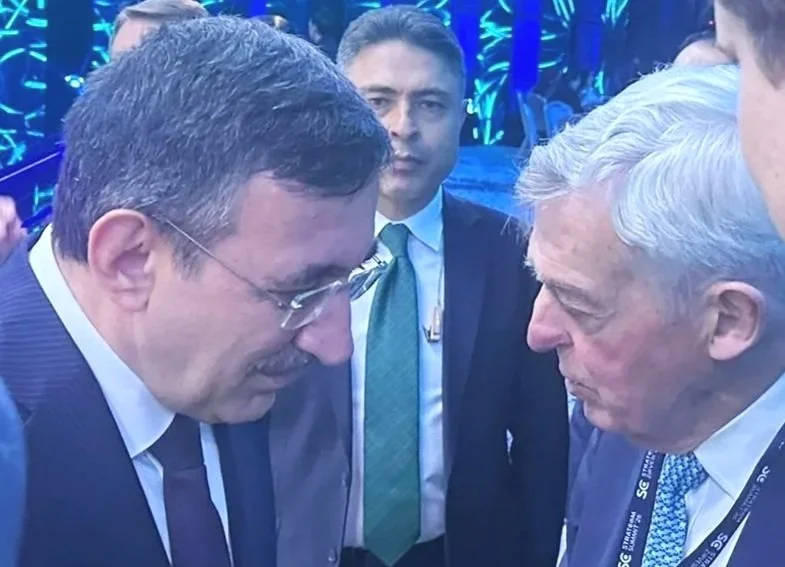
Oliver and Cevdet Yılmaz, Vice-President of Türkiye.
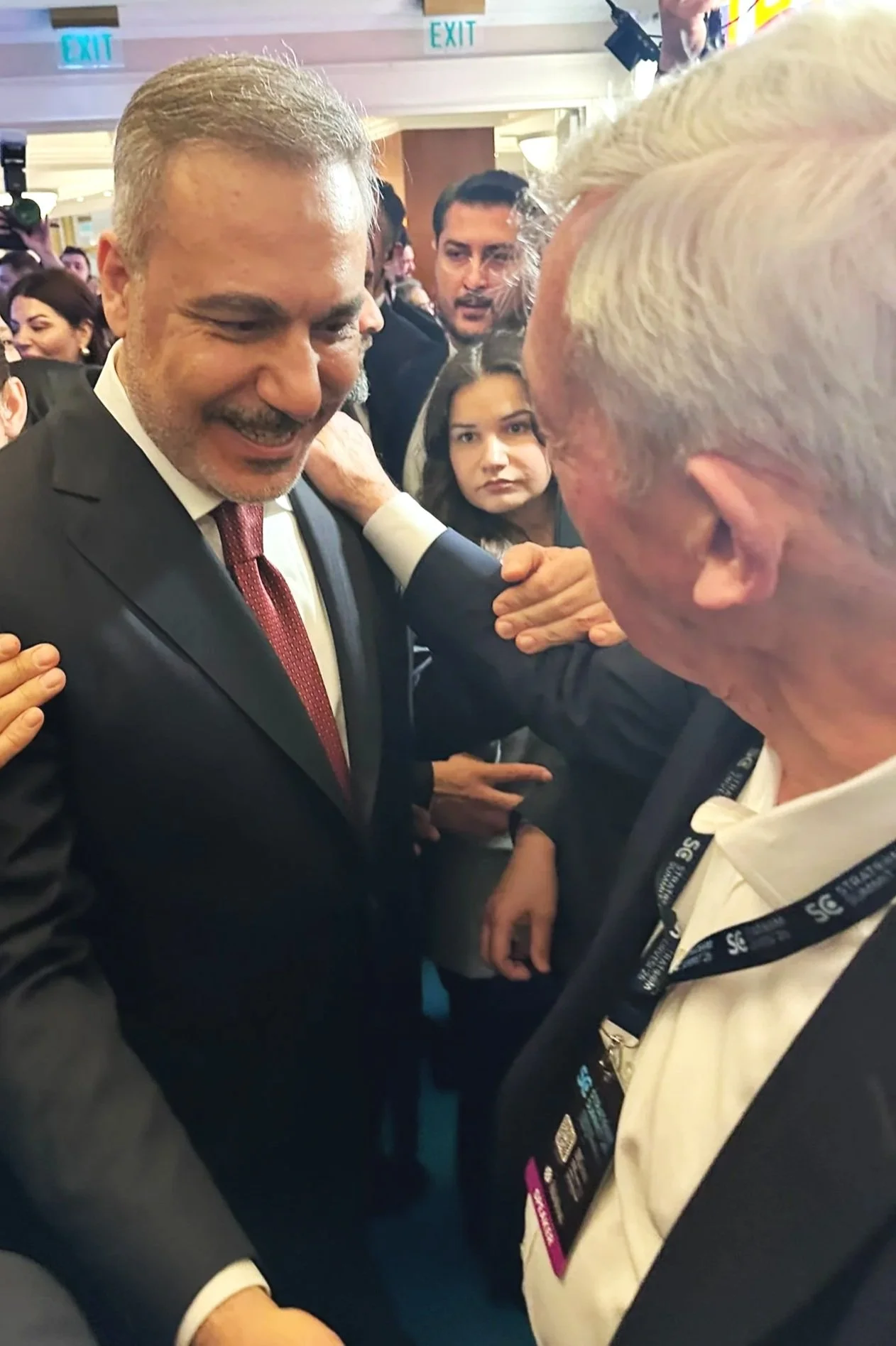
Oliver and Hakan Fidan, Foreign Minister of Türkiye.
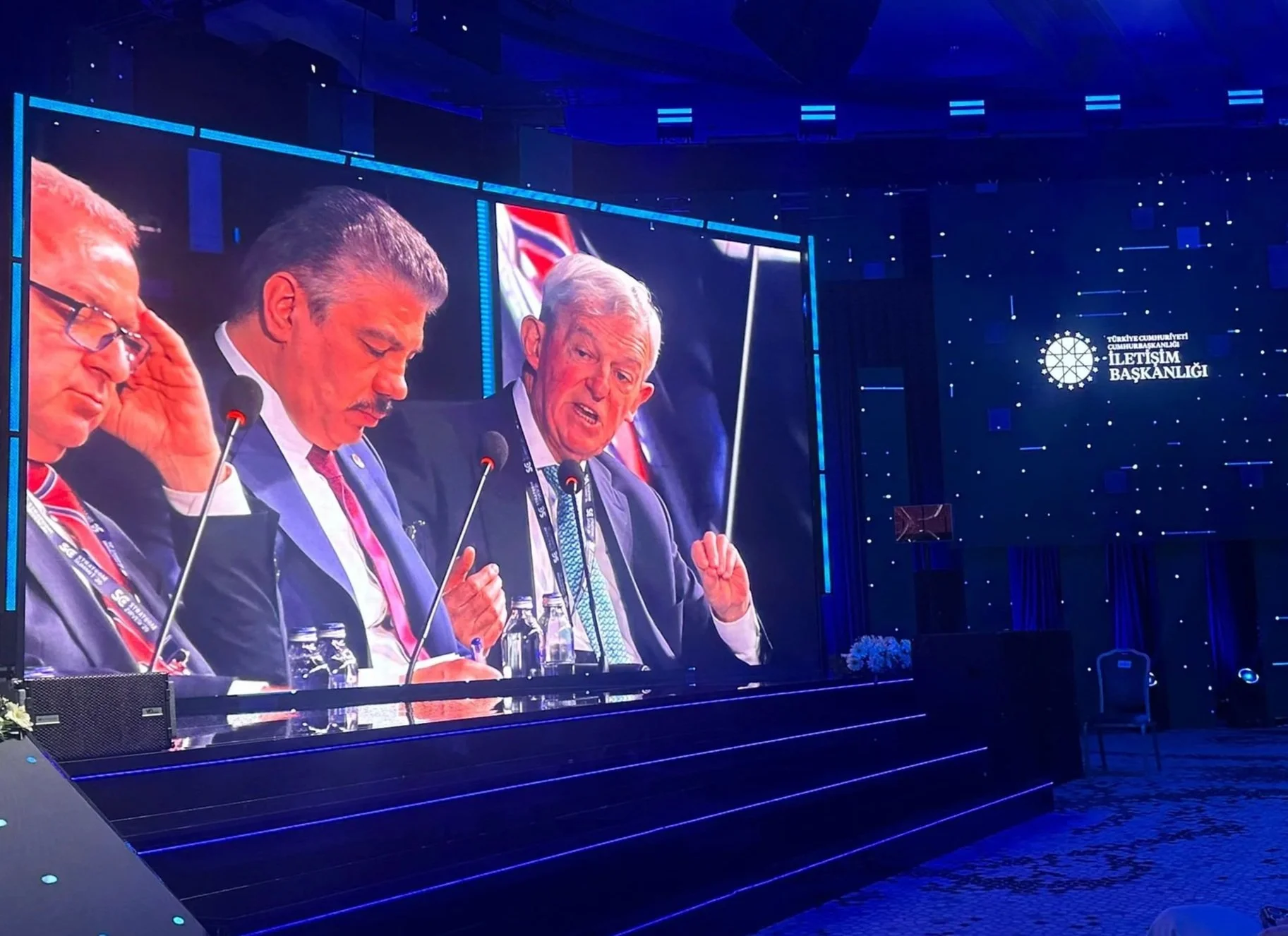
Oliver speaking on the panel.
From 27–28 March 2026, we participated in the International Strategic Communication (Stratcom) Summit in Istanbul, organised by the Presidency of the Republic of Türkiye Directorate of Communications, and were asked to bring a delegation of Women for a Sustainable Future (WSF) members to speak on panel discussions across the two days.
This year's summit brought together heads of state, government officials, parliamentarians, diplomats, academics, and civil society leaders to address some of the most pressing challenges facing the international community. At the request of the organisers, we brought a delegation of Women for a Sustainable Future (WSF) members — parliamentarians and leaders from Bosnia and Herzegovina, Egypt, Lebanon, Libya, Türkiye, and the United Kingdom — all of whom contributed to panel discussions across the two days.
Panel: Crisis of Legitimacy and Trust: Perceptions of the International Order
Oliver examined the foundations of sustainable international peace. He argued that true and lasting peace is only achievable through justice. Justice demands not merely acknowledging the existence of the other, but fully recognising their rights.
Panel: Actors and Leader Diplomacy in the Mediation Process
WSF members Baroness Fiona Hodgson and Dr. Rania Sedky participated in this panel on the first day of the summit. Baroness Hodgson emphasised that the inclusion of women in peace negotiations is not a matter of representation alone but a practical driver of conflict resolution. Dr Sedky issued a stark warning about the trajectory of global instability, cautioning that the international community's failure to assume responsibility for ongoing conflicts in the region risks bringing similar crises to Europe itself.
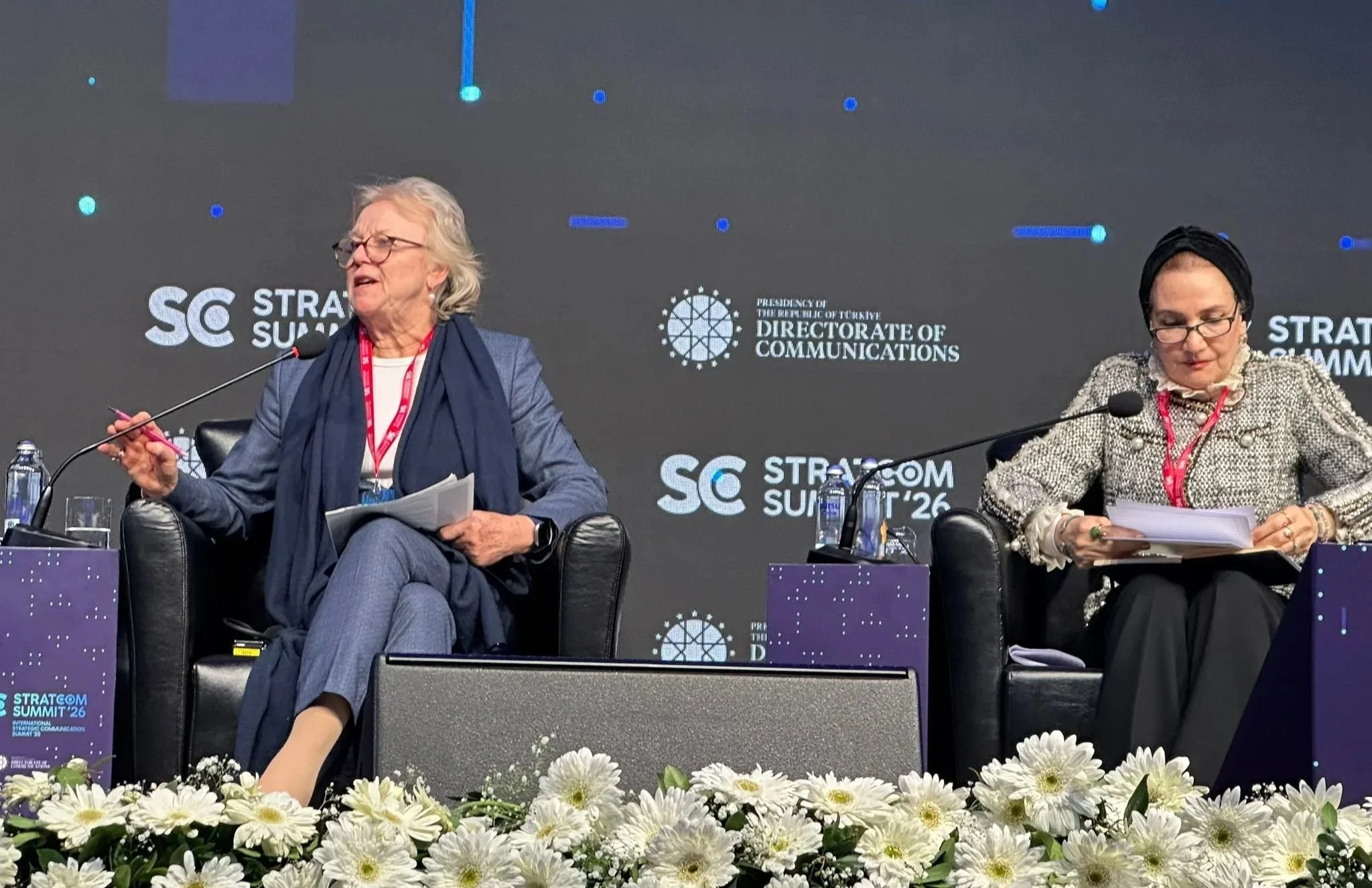
Baroness Fiona Hodgson (Member of the House of Lords in the UK) speaking on the panel.
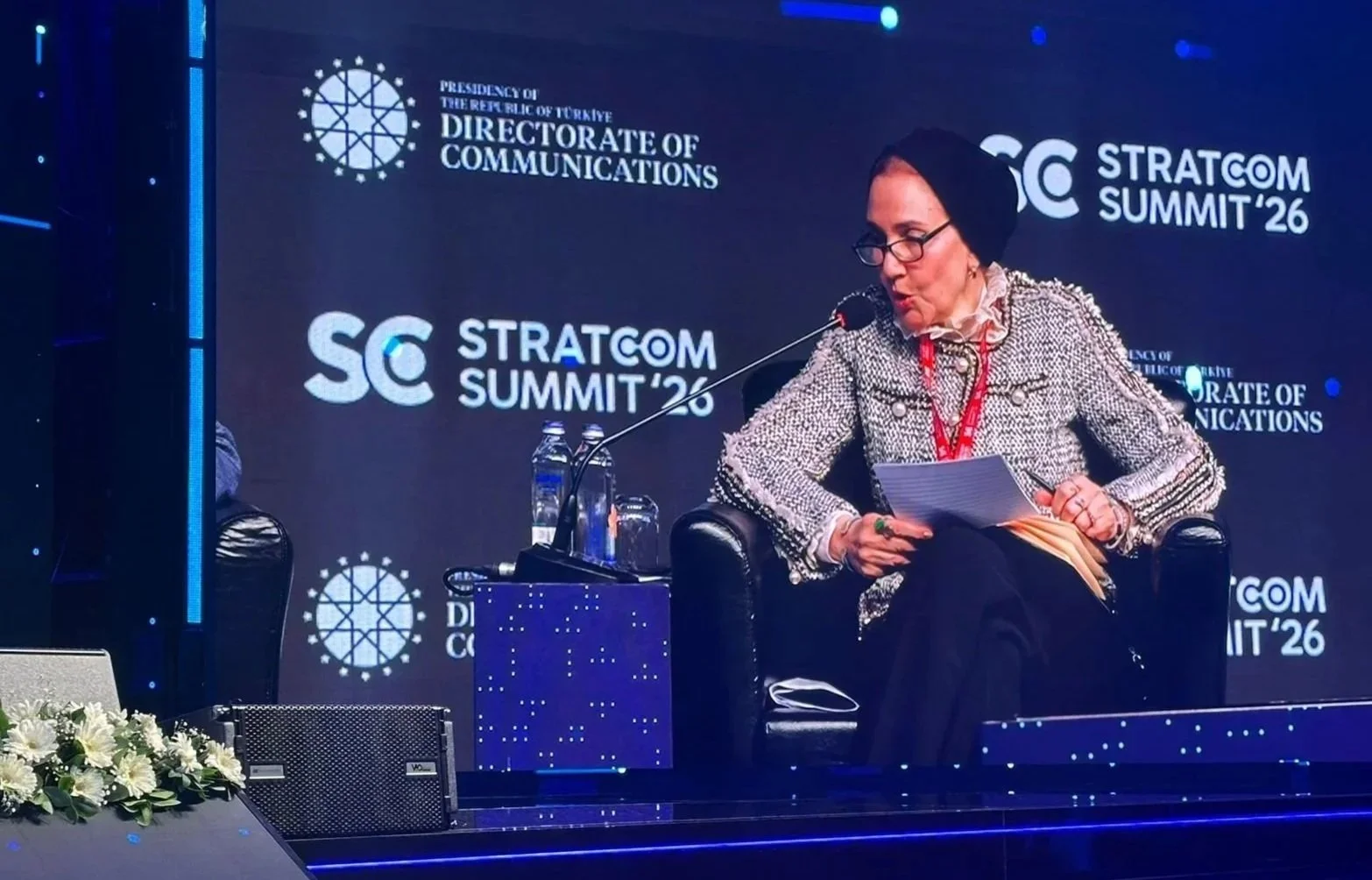
Dr Rania Sedky (Member of the Egyptian Senate) speaking on the panel.
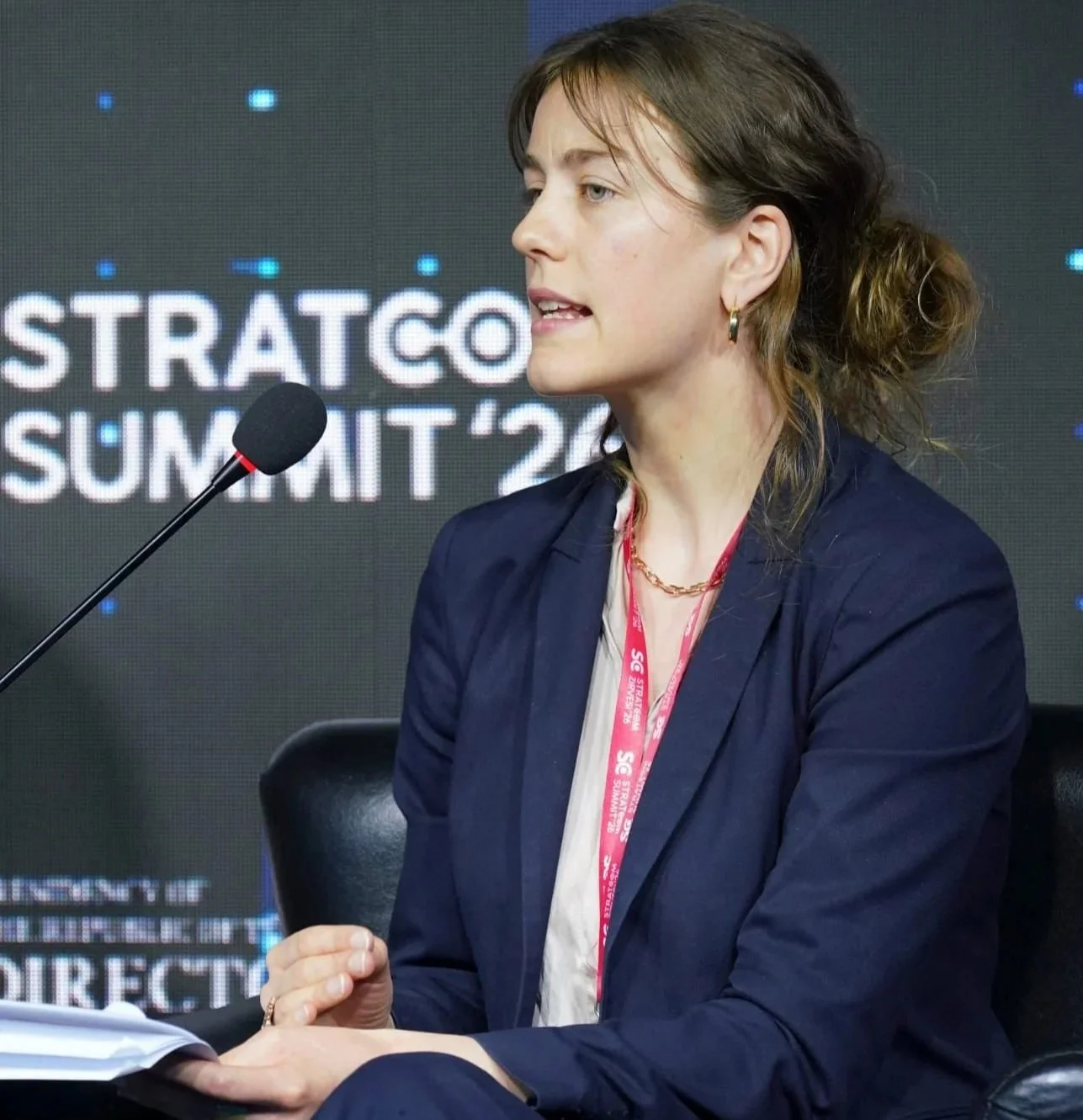
Cecily speaking on the panel.
Panel: Women Leaders' Perspectives on Global Crises and the Quest for the Future
On the second day, Cecily and four members of our WSF delegation participated in a panel on women's leadership in times of crisis. Drawing on evidence from peace processes across the world, the speakers made the case that women's inclusion in decision-making is not a question of fairness but of effectiveness. Key interventions included: Dr Rejhana’s Dervišević's argument that mutual understanding and inclusive processes — not imposition — are the only sustainable path to resolving global crises; Dr Halima Kaakour's warning that legitimising military action through 'preventative intervention' risks rendering the UN Charter ineffective; Dr Majda Alfallah's framing of women's leadership as a strategic imperative essential to sustainable peace and governance; Sena Nur Çelik Kanat's call for a restructured international order that places human rights and justice above narrow national interests; and Cecily's address on the systemic exclusion of women from peace processes and the measurable cost of that exclusion in failed agreements and prolonged conflict.
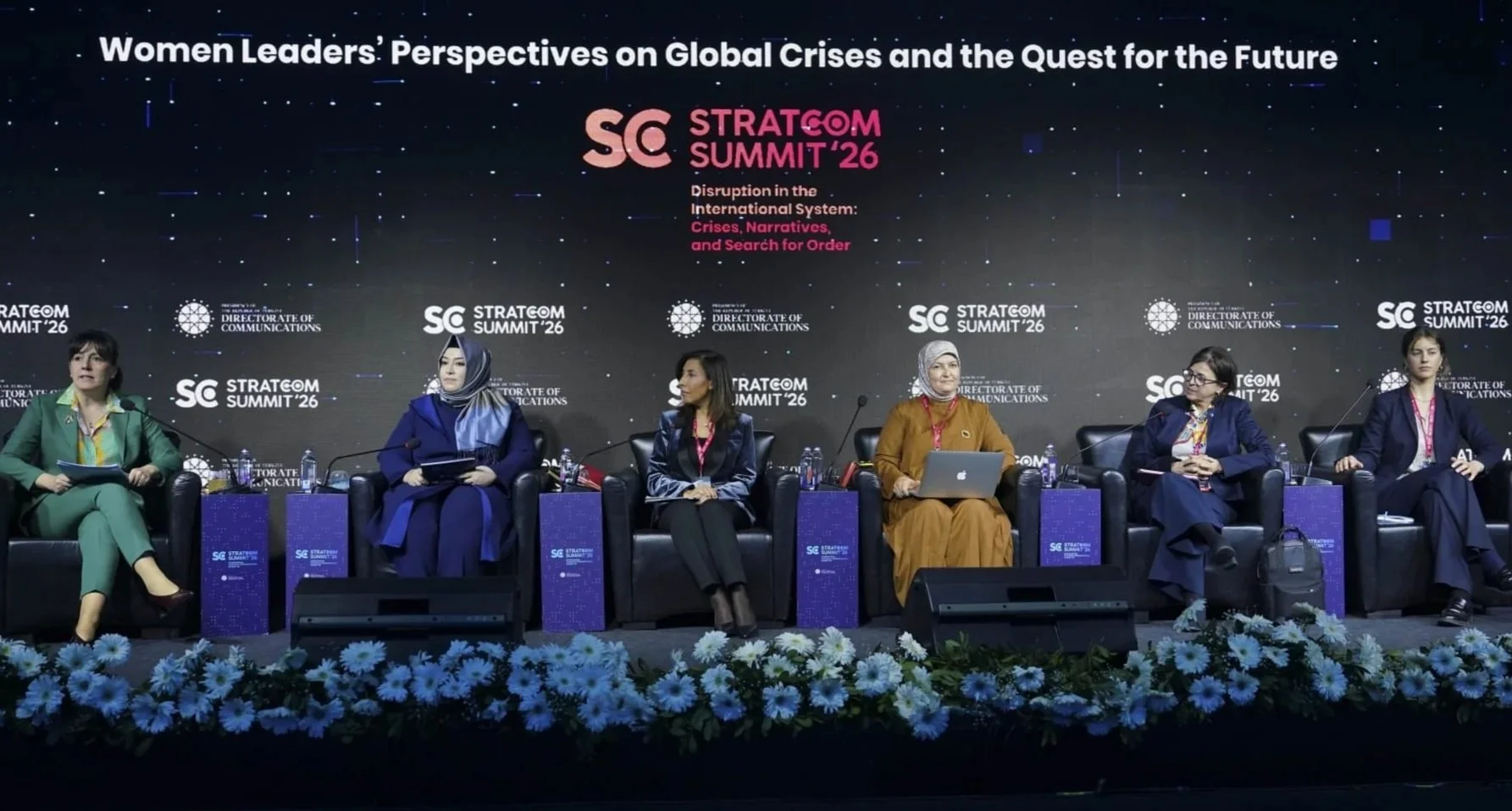
WSF members speaking on a panel. From left to right: Dr. Nihal Eminoglu, Ankara University Faculty of Political Science (Türkiye); Sena Nur Çelik Kanat, Member of Parliament (Türkiye); Dr. Halima Kaakour, Member of Parliament (Lebanon); Dr. Majda Alfallah, Member of the High Council of State (Libya); Dr. Rejhana Dervišević, Member of Parliament (Bosnia and Herzegovina); Cecily Bayliss, WSF Programme Manager, Forward Thinking.
Bilateral Meeting with the Head of Communications
On the margins of the summit, the WSF delegation held a private bilateral meeting with Professor Burhanettin Duran, Head of Communications of the Presidency of the Republic of Türkiye, who also delivered the summit's opening remarks and closing session. The meeting provided an opportunity to discuss how the WSF is engaging with the ongoing crisis in the Middle East — including the approaches the network is taking to support dialogue, amplify women's voices, and contribute to efforts towards a sustainable resolution.
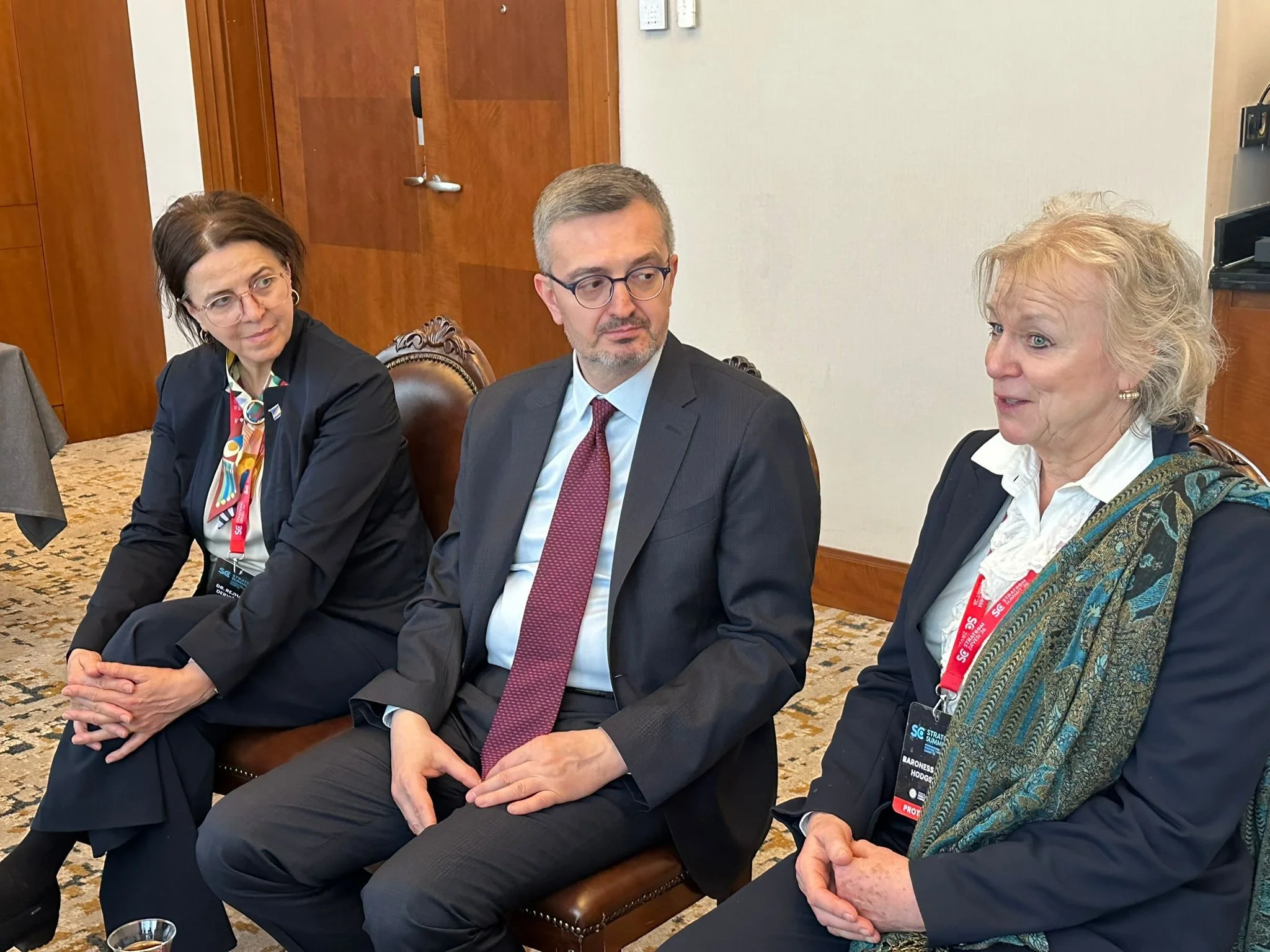
WSF meeting with Professor Burhanettin Duran, Head of Communications of the Presidency of the Republic of Türkiye. From left to right: Dr. Rejhana Dervišević, Member of Parliament (Bosnia and Herzegovina); Dr. Burhanettin Duran; Baroness Fiona Hodgson, Member of the House of Lords (UK).
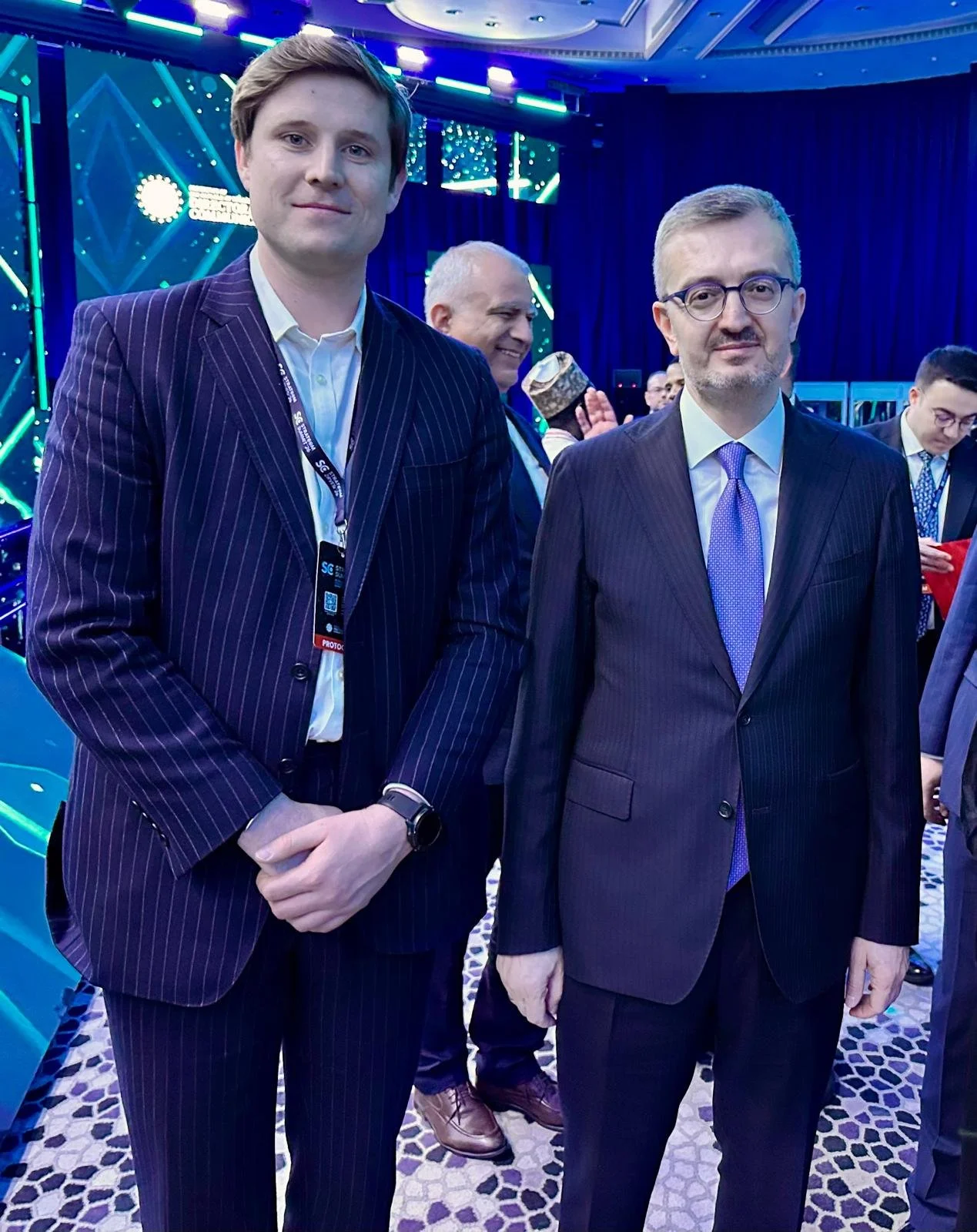
Jordan with Professor Burhanettin Duran.
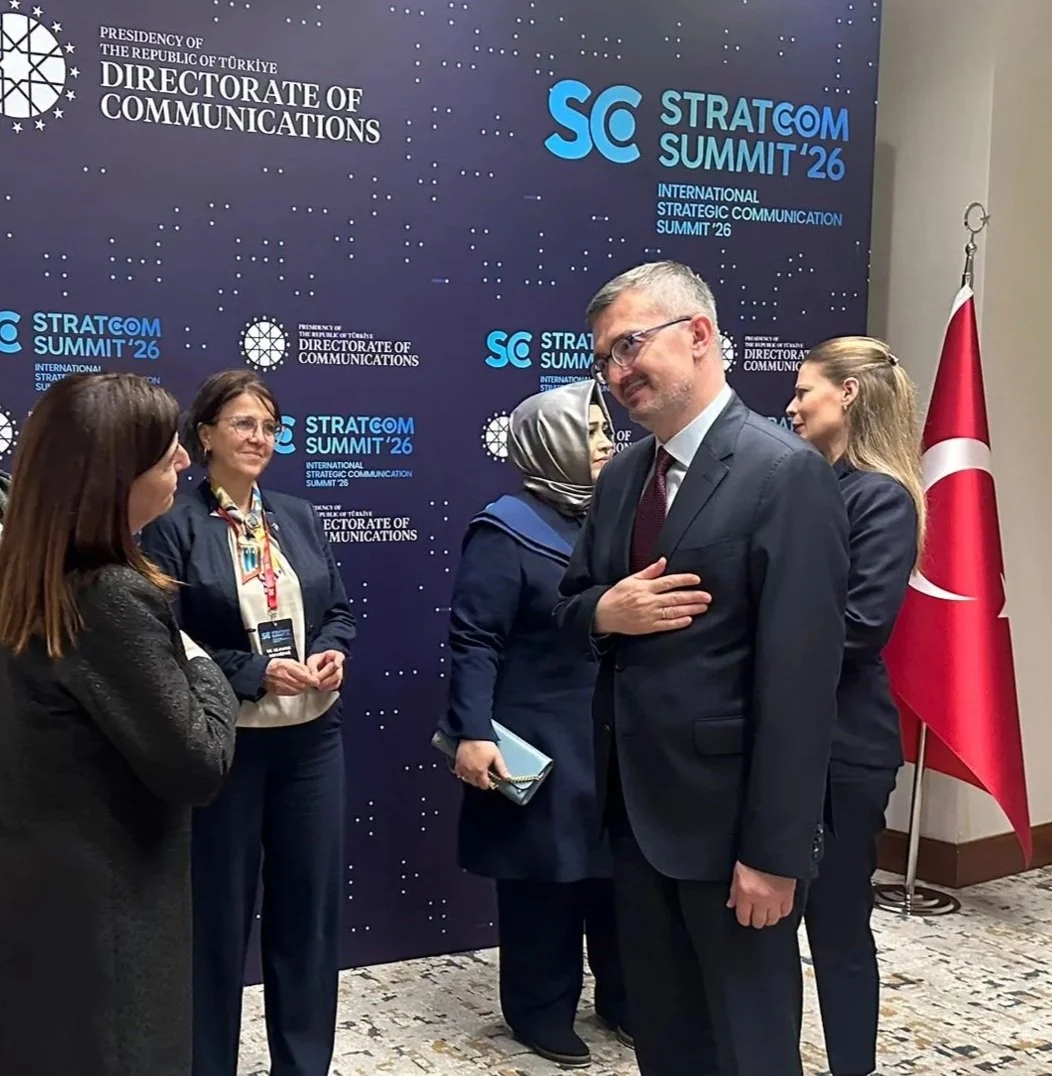
Professor Burhanettin Duran with WSF member and Member of the Turkish Parliament, Fatma Aksal.